
Classical or acoustic guitar: which to choose
The difference between classical and acoustic guitars, which to choose as a beginner, children's sizes and models with today's prices.
It's all in the strings
A classical guitar has nylon strings: soft on the fingers, with a warm tone and a wider neck. An acoustic has steel strings: brighter and louder, but harder on the fingers at first.
- Classical: classical music, flamenco, bossa nova, and for children or lessons with a teacher.
- Acoustic: pop, rock, folk and accompanying singing.
Sizes
Classical guitars come in 4/4 for adults, 3/4 for children of about 8 to 11 and 1/2 for younger ones. An electro-acoustic has a preamp so you can plug it into an amp.
How much to spend
Good classicals start around €100–€200 and acoustics around €150–€300. A solid top sounds better and improves with age. guitle compares the price in 11 shops every day.
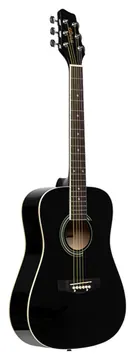
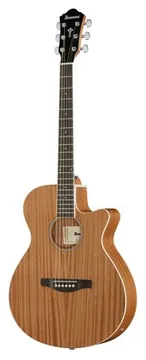
Acoustic guitars under €300 sold by the most shops (today's prices) See all →

Frequently asked questions
Is a classical or an acoustic guitar better for beginners?
Classical is more comfortable thanks to the nylon strings; acoustic is better if you want to play pop, rock or folk.
What size guitar does a child need?
Roughly 1/2 up to 7-8 years old, 3/4 from 8 to 11 and 4/4 from 12.
Can I put steel strings on a classical guitar?
No: a classical guitar isn't built for that tension and the neck or bridge can be damaged.